
Single Tooth Implant vs. Bridge: Comparing Comfort, Function, and Longevity
Replacing one missing tooth is not just a cosmetic choice. It affects chewing, cleaning, long-term maintenance, and how the nearby teeth and jawbone change over time.
For many patients comparing a single tooth implant vs. bridge, the real question is which option best protects function and stays predictable based on the condition of the surrounding teeth, gums, and bone.
BrightCraft Dental & Laser in Burbank, CA offers single tooth implant care and advanced restorative options, including all-on-4 implants and full mouth implants, for patients seeking long-term function and comfort.
Why This Decision Matters More Than It Seems
A single missing tooth can affect more than your smile. Nearby teeth may drift, the opposing tooth may over-erupt, and bite forces can become less balanced.
The jawbone in that area may also shrink after tooth loss. This process, called bone resorption, happens when the bone no longer receives stimulation from a natural tooth root.
That is why this choice matters. A replacement that looks fine in the short term may not protect the area as well over the next 10 to 15 years.
How a Single Tooth Implant Works
A single tooth implant replaces the missing root with a small titanium or ceramic post placed in the jawbone. After healing, a custom crown is attached to restore the visible part of the tooth.
Its main advantage is independence. The implant stands on its own and usually does not require reshaping the teeth next to the gap.
Implants also transfer chewing force into the bone, which may help preserve bone volume. That does not mean bone changes never happen, but it is an important biologic advantage over options that replace only the part above the gums.
How a Dental Bridge Works
A dental bridge replaces the missing tooth with an artificial tooth, called a pontic, attached to the teeth on either side. In a traditional bridge, those neighboring teeth are shaped down so crowns can support the restoration.
This can work well when the adjacent teeth already need crowns or have large fillings. In that situation, using them as supports may be more efficient than preparing healthy teeth only to hold a bridge.
A bridge can restore appearance and chewing function well in many cases. The tradeoff is that the support teeth take on extra responsibility in the final result. Read more about crowns and bridges.
The Core Difference: Independent Support vs. Shared Support
The simplest way to compare a single tooth implant vs. bridge is this: an implant is independently supported, while a bridge depends on neighboring teeth. That difference drives most of the pros and cons.
An implant helps preserve adjacent teeth because they usually do not need to be prepared. A bridge may be faster in some cases, but it can require removing healthy tooth structure that cannot be replaced.
In many situations, independent support is the more conservative long-term design. It addresses the missing tooth without adding a structural dependency to nearby teeth.
What Happens to the Nearby Teeth
With an implant, the teeth next to the space are usually left untouched. That matters when those teeth are healthy, unrestored, and structurally strong.
With a bridge, the adjacent teeth often need full-coverage crowns. Even when treatment is done well, that permanently changes those teeth and may increase future risks such as decay at crown margins, fracture, or nerve irritation in some cases.
That does not make bridges a poor option. It means the condition of the neighboring teeth should play a major role in the decision.
Bone Health and Gum Changes Over Time
One of the strongest arguments for dental implants is better bone preservation. Because the implant functions like a root, the bone receives some stimulation during chewing.
A bridge does not stimulate the bone beneath the missing tooth. Over time, that ridge may flatten or shrink, which can change the gum contour and create a shadow or space under the replacement tooth.
This matters most in the front of the mouth, where small tissue changes may be more visible. In back teeth, the cosmetic effect may matter less, but the structural change can still occur.
Chewing Function and Bite Stability
Both treatments usually restore chewing better than leaving a gap. The difference is how the force is supported.
An implant directs force into the bone at the missing tooth site. A bridge transfers force through the supporting teeth, which can work well but is mechanically less direct.
For patients who clench or grind, also called bruxism, this difference becomes more important. Heavy bite forces can shorten the lifespan of either option, so support design and material choice matter during treatment planning.
How Long Each Option Usually Lasts
A well-planned implant can last many years and often performs very well long term. The crown attached to the implant may eventually need maintenance or replacement, but the implant itself may remain stable when the bone and gums stay healthy.
Bridges can also last a long time, especially when the support teeth are strong and the bite is favorable. Still, the long-term risk profile often depends on the health of two natural teeth instead of one replacement site.
In practical terms, implants often last longer when the patient is a good candidate. Bridges remain a reasonable option when anatomy, health factors, cost, or timing make implants less practical.
Read more about implant longevity if you want a deeper look at long-term implant performance.
Cost Is More Than the Initial Fee
A bridge often has a lower upfront cost than an implant. That is one reason many patients consider it first.
But cost should be viewed over time, not just on the day treatment begins. If a bridge needs replacement later, or if one support tooth develops a problem, the total cost can change quickly.
An implant usually costs more at the start because it involves surgery, healing, and multiple components. Even so, the long-term value may be better when it helps preserve neighboring teeth and reduces future restorative work.
Treatment Timeline and Healing
A bridge is often faster to complete. In many cases, treatment can move from tooth preparation to final placement within a few weeks.
An implant usually takes longer because it must heal in the bone before the final crown is attached. This process is called osseointegration, which means the implant surface bonds with the surrounding bone.
If bone grafting is needed, the timeline may be longer. For patients who want the shortest path to a fixed tooth replacement, a bridge may have a practical advantage.
If you are concerned about discomfort during or after treatment, read about dental implant pain to learn what patients commonly experience and how we manage it.
When an Implant Usually Makes More Sense
An implant often makes the most sense when the teeth next to the gap are healthy and do not need crowns. Preserving natural tooth structure is usually the more conservative long-term choice.
It is also a strong option when bone support is adequate and the patient wants a replacement that functions independently. In many single-tooth cases, that is the most biologically sound plan.
Implants may also be preferred when long-term bone preservation and easier cleaning between teeth are priorities.
When a Dental Bridge May Be the Better Choice
A bridge may be the better option when the neighboring teeth already have large fillings, cracks, or existing crowns. If those teeth need full coverage anyway, using them to support a bridge may be efficient.
A bridge may also make sense when implant placement is limited by bone volume, medical factors, healing concerns, or budget. Not every patient is an ideal implant candidate, and good treatment planning should reflect real anatomy, not preference alone.
For some patients, avoiding surgery is a major factor. That is a valid concern, as long as the tradeoffs are clearly understood.
Who May Need Extra Evaluation Before Choosing
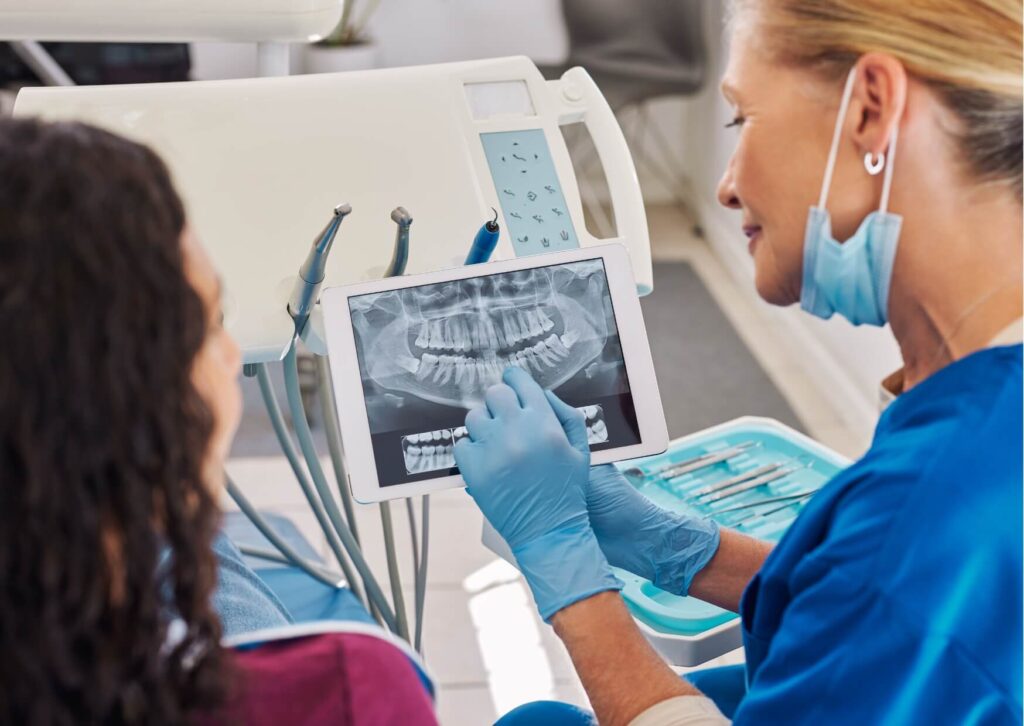
Some situations call for a closer review before choosing between a single tooth implant vs. bridge. These include active gum disease, smoking, uncontrolled diabetes, heavy clenching, significant bone loss, and an unclear pain history in the area.
A dentist may also evaluate the bite, gum thickness, root position of nearby teeth, and the amount of space available for the restoration. These details often determine whether a treatment is simply possible or truly predictable.
If a recommendation feels rushed without imaging or bite analysis, it is reasonable to ask more questions. Single-tooth replacement planning should be careful because the long-term effects are easy to underestimate.
Red Flags That Need Prompt Dental Attention
Some symptoms should not be ignored. Swelling, fever, pus, severe pain, sudden looseness, or a bad taste that keeps returning may point to infection or another problem that needs prompt care.
Bleeding gums around a bridge or implant, pain when biting, or a crown that feels high or unstable also deserve evaluation. These symptoms do not always mean treatment failure, but they should be checked before the problem gets worse.
If facial swelling is spreading, swallowing becomes difficult, or pain is intense and worsening, urgent dental care is appropriate. In severe cases with breathing difficulty or rapidly increasing swelling, emergency medical care may be necessary.
Questions Worth Asking at the Consultation
A good consultation should explain why one option fits better than the other. It should not feel like a one-size-fits-all sales pitch.
Ask whether the adjacent teeth are healthy enough to leave untouched, whether bone volume is sufficient for an implant, how the bite affects long-term risk, and what maintenance each option usually requires. It is also reasonable to ask what the likely replacement cycle may look like over the next decade.
The best decision usually comes from matching the restoration to the anatomy, not from choosing the fastest or cheapest path. A careful exam, updated imaging, and a clear discussion of tradeoffs can make the choice much easier.
If you're considering a single tooth implant, BrightCraft Dental & Laser in Burbank, CA provides advanced implant care for patients from North Hollywood and Glendale; call (818) 237-4977 to schedule a consultation.
FAQs
Is a single tooth implant better than a bridge?
Often, yes, especially when the teeth next to the gap are healthy. An implant usually preserves neighboring teeth and supports bone better, but a bridge may still be the better choice in some clinical situations.
Is a bridge cheaper than an implant?
A bridge is often less expensive upfront. An implant may cost more initially, but the long-term value can be better depending on maintenance needs and the condition of nearby teeth.
Does an implant last longer than a bridge?
In many cases, implants have strong long-term survival. Bridges can also last well, but their lifespan is more affected by the health of the support teeth.
When should a bridge be chosen instead of an implant?
A bridge may make more sense when adjacent teeth already need crowns, implant surgery is not ideal, or treatment needs to move faster. The decision should be based on exam findings, imaging, and bite analysis.
Can bone loss happen under a bridge?
Yes. Because a bridge does not replace the tooth root, the bone in that area may gradually shrink over time. That change may affect gum contour and long-term appearance.
Related Articles
Flexible Payment Options
Get started in minutes with no impact on your credit—plus take advantage of 0% APR financing for up to 24 months.
- Quick approval process
- Soft credit check only - no effect on your score
- Apply funds to any dental service
Click below to check your eligibility - completely risk-free.