
Can Dental Implants Be Removed? What to Expect
Yes, dental implants can usually be removed when needed. Removal is not routine, but it may be the right step if an implant has failed, become infected, loosened, fractured, or been placed in a position that does not function well.
A dental implant is a small titanium or ceramic post placed in the jawbone to support a crown, bridge, or denture. Once it heals into the bone through osseointegration, it is designed to stay in place long term.
The more important question is often not whether an implant can be removed, but why it needs to be removed. That reason affects urgency, how much bone may be involved, and whether replacement may still be possible later.
At BrightCraft Dental & Laser in Burbank, CA, our dental implants team provides advanced implant care and removal evaluations for patients considering repair or replacement.
Why a Dental Implant Might Need to Be Removed
Most implants that need removal fall into a few predictable categories. The cause matters because each problem affects the bone and gum tissue differently.
One common reason is peri-implantitis, which is inflammation and infection around an implant. It can cause bone loss, bleeding, swelling, bad taste, and sometimes looseness.
If the damage is advanced, peri-implantitis with bone loss may make removal the safest option. In these cases, keeping the implant may allow more bone loss over time.
Another reason is failure to integrate with the bone. If the implant never bonds properly after placement, it may stay mobile or become painful when chewing.
Early failure may be linked to poor healing, overload from biting forces, smoking, uncontrolled gum disease, or certain health factors. These issues can reduce the chance of stable long-term support.
Mechanical problems can also lead to removal. The implant body itself can fracture, although problems with the crown or abutment are more common.
A fractured implant often cannot be repaired predictably. In that situation, removal is usually the more reliable option.
Positioning errors may also require removal. If an implant is placed at the wrong angle or in the wrong location, it may affect the bite, look unnatural, trap food, or make the final restoration hard to clean.
In some cases, the implant is stable but the surrounding anatomy changes over time. Gum recession, shifting teeth, or progressive bone loss can make a once-acceptable implant less functional or harder to maintain.
Signs That Removal May Be Considered
Not every sore or irritated implant needs to be removed. Still, some symptoms deserve prompt evaluation because they may point to active disease or structural failure.
A healthy implant should not feel loose. Any implant mobility is a significant warning sign because an implant should be fused to bone and should not move like a natural tooth.
Other concerning symptoms may include:
- Persistent pain when biting or chewing
- Swelling or bleeding around the implant
- Pus, drainage, or a bad taste near the site
- Noticeable gum recession exposing more of the implant surface
- Repeated loosening or breakage of the attached crown or components
- Difficulty cleaning the area because of poor implant position
Some of these symptoms can also come from a loose crown, a damaged abutment, or gum inflammation without full implant failure. That is why imaging and a clinical exam are important before deciding on removal.
How Dentists Decide Whether Removal Is Necessary
The decision is usually based on symptoms, x-rays, gum measurements, and how the implant functions under load. A dentist or specialist will also look at whether the problem is biological, such as infection or bone loss, or mechanical, such as fracture, misfit, or overload.
If the implant is stable and the issue is limited to the crown or abutment, removal of the implant itself may not be necessary. Treatment may instead focus on replacing the restoration, adjusting the bite, or improving access for cleaning.
If there is advanced bone loss, deep infection, persistent mobility, or implant fracture, removal is often the more predictable option. In many cases, that choice helps protect the remaining bone and improve the chances of future reconstruction.
The amount of remaining bone is especially important. When bone loss is moderate to severe, delaying treatment can make replacement more complex later.
What Implant Removal Involves
Implant removal is usually done with local anesthesia in a dental office or surgical setting. The technique depends on how firmly the implant is attached and how much surrounding bone should be preserved.
In some cases, the implant can be backed out with specialized instruments that apply controlled reverse force. This approach is often preferred because it may reduce trauma to the bone.
If the implant is heavily integrated or damaged, a more surgical approach may be needed. That can involve removing a small amount of surrounding bone to access the implant safely.
For patients who want extra comfort during longer or more complex procedures, sedation dentistry can help reduce anxiety and improve treatment tolerance.
Bone Preservation Matters
A key goal during removal is preserving the surrounding bone. Bone supports any future implant, bridge, or denture, so a careful approach can make the next step much simpler.
After removal, the site may be cleaned and allowed to heal, or it may need grafting. A bone graft is material placed to help rebuild or maintain the shape of the jaw after bone loss or surgery. Learn more about bone grafting.
Can a New Implant Be Placed After Removal?
In many cases, yes, a new implant can be placed after removal. The timing depends on why the original implant failed and how healthy the bone and gum tissue are afterward.
If the implant is removed for a mechanical reason and the surrounding bone is still strong, replacement may sometimes happen right away. If there is infection, major bone loss, or soft tissue damage, a healing period is often the safer choice.
This is where patients sometimes get incomplete answers online. Learn more about dental implant longevity.
Replacement options may include a single dental implants replacement, an implant-supported bridge when several teeth are involved, or, for more extensive tooth loss, full mouth implants to restore full-arch function.
A failed implant does not automatically rule out future implant treatment. It does mean the next plan should address the original cause, such as bite overload, poor cleaning access, smoking, untreated gum disease, or poor implant position.
What Recovery Is Usually Like
Recovery depends on whether the implant was removed easily or required more surgical access. A simple removal may cause mild soreness for a few days, while a more involved procedure can lead to more swelling and a longer healing period.
Most patients can expect some tenderness, pressure, and temporary limits on chewing in that area. If bone grafting is done, healing may take longer because the site needs time to stabilize before the next restoration step.
Severe pain, increasing swelling, fever, or ongoing drainage after treatment should be reported promptly. Those symptoms may signal post-procedure infection or delayed healing and should not be ignored.
When Removal Becomes More Urgent
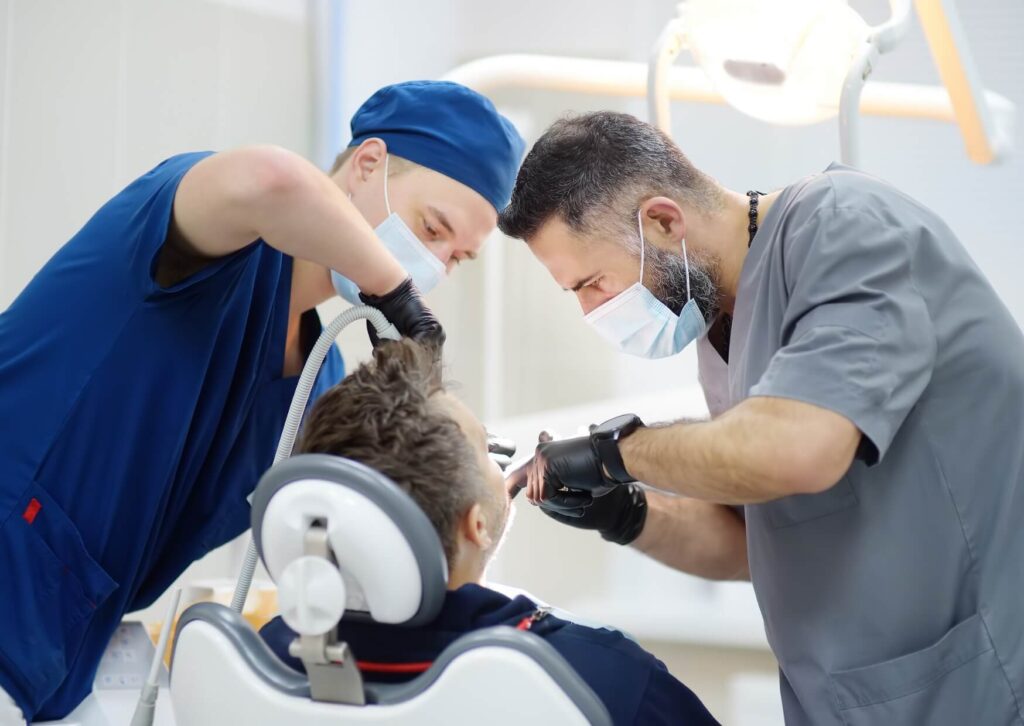
Some implant problems can be monitored briefly while a treatment plan is made. Others should be assessed quickly because delay may lead to more bone loss or a spreading infection.
Urgent evaluation is appropriate if there is:
- A loose implant
- Increasing facial swelling
- Pus or drainage around the implant
- Fever or feeling systemically unwell
- Significant pain that is getting worse instead of better
- A sudden change in bite or function after trauma
These signs do not always mean same-day emergency removal. They do mean the area should be examined soon so the source of the problem can be identified safely.
How to Reduce the Risk of Needing Removal
Implants do not get cavities, but they can still fail when plaque, inflammation, and excessive biting forces are not controlled. Good home care and regular professional maintenance remain central to long-term success.
Daily cleaning around the implant matters because the gum tissue around implants is more vulnerable to inflammation than many patients realize. If bleeding starts, it is better to have it checked early rather than assume it will settle on its own.
Bite forces also matter more than many people expect. Grinding, clenching, and poorly distributed chewing pressure can overload an implant and its components over time.
A Practical Prevention Strategy
- Regular dental reviews with implant-specific monitoring
- Consistent cleaning around the implant and gumline
- Early treatment of bleeding, swelling, or food trapping
- Managing grinding or clenching if present
- Avoiding smoking when possible, since it can impair healing and increase complication risk
If an implant feels different, looks different, or becomes harder to clean, it is worth discussing early. Fast evaluation often creates more treatment options and may help avoid more extensive reconstruction later.
BrightCraft Dental & Laser in Burbank, CA offers calm, advanced implant evaluations and replacement planning for patients in Burbank and nearby areas like North Hollywood and Glendale. Call us at (818) 237-4977 to schedule a consultation.
FAQs
Can a dental implant be removed years later?
Yes. Even a long-standing implant can usually be removed if it becomes infected, loose, fractured, or difficult to maintain.
Is removing a dental implant painful?
The procedure is typically done with local anesthesia, so sharp pain during treatment should be controlled. Some soreness afterward is common, and the amount varies based on how complex the removal is. For more on comfort during implant procedures, see our article on implant procedure comfort.
Does a loose implant always need to be removed?
A truly loose implant often needs removal because the implant itself should not move. However, a loose crown or connector can sometimes mimic implant looseness, so an exam is needed to confirm the source.
Can an infected implant be saved instead of removed?
Sometimes, yes, especially if the problem is found early and bone loss is limited. If the infection is advanced or the implant has lost too much support, removal may be the more predictable choice.
Can you get another implant after one is removed?
Often yes, but the timing depends on bone quality, gum health, and whether infection or bone loss needs to heal first.
Related Articles
Flexible Payment Options
Get started in minutes with no impact on your credit—plus take advantage of 0% APR financing for up to 24 months.
- Quick approval process
- Soft credit check only - no effect on your score
- Apply funds to any dental service
Click below to check your eligibility - completely risk-free.